
"fourth largest"
800 article(s) found

Coffee from the fourth largest coffee producer in the world coffee beans grown in Mexican coffee flavor estates
As long as it is delicious coffee, coffee consumers are willing to pay a high price; as long as delicious coffee is provided, consumers will not abandon coffee and the market will grow. High-quality coffee represented by boutique coffee is better than big business coffee producers and consumers have discovered this simple fact. In recent years, coffee producing countries no longer blindly pursue high output while neglecting quality.

Mexican Coffee, the fourth largest Coffee producer in the World
Following Cafe Review (official Wechat account vdailycom) found that the collapse of the coffee agreement (Coffee Agreement) and the disappearance of price support for Cafe Beautiful Cafe to open its own shop actually helped some producers because it forced them to develop their own brands and gain closer ties with domestic and foreign markets, while the NAFTA agreement between Canada, the United States and Mexico
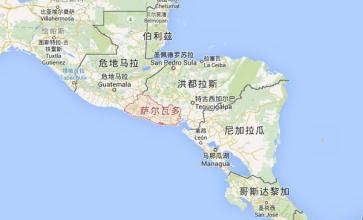
El Salvador Coffee--Once the world's fourth largest coffee producer El Salvador Coffee
Many friends don't know El Salvador, a country located in northern Central America. Honduras to the north, the Pacific Ocean to the south, Guatemala to the west and northwest, and the Gulf of Fonseca to the east. The smallest and most densely populated country in Central America. Terrain to mountains, plateau-based, volcanic, Santa Ana active volcano elevation of 2,385 meters, the highest peak for the country; north

El Salvador, once the world's fourth largest coffee producer, coffee cultivation climate altitude profile
Salvadoran fine coffee is concentrated in Santa Ana in the west and Charantan Nango volcanic rock producing areas in the northwest. In recent years, almost all of the top 10 cup tests come from these two producing areas, with an altitude of about 900-1500 meters. Bourbon is the main one (accounting for 68%), followed by Pacas (accounting for 29%), and mixed Pacamara, Duraai and Cadura only account for 3%. Coffee harvest season lasts from November

Once the fourth largest coffee producer in the world, El Salvador coffee grind degree baking degree treatment method is simple.
Don't underestimate El Salvador's coffee production. In its heyday, it was once the fourth largest coffee producer in the world, but decades of civil war almost dragged down the coffee industry. fortunately, the war has stopped in recent years, and the coffee industry has come back to life. The only benefit that the civil war brought to the country of El Salvador was that the farmers left their fields barren and failed to catch up with the most popular Katimo sun-exposed cultivation train in the past two decades.

Introduction to the producing area of coffee beans in Mexico, one of the four largest producing countries in the world
Coffee from the world's fourth largest coffee producer, slippery and fragrant, Mexico, the fourth largest coffee producer in the world, produces about 5 million bags of coffee a year. Most of its coffee is produced by nearly 100000 small farmers, and large estates that once manipulated the coffee industry are rare. The yield of Mexican coffee is about 630 kg per hectare. Later, the Mexican Coffee Association (Instituto Mexicano)

The cultivation of boutique coffee beans in El Salvador, once the fourth largest coffee producer in the world.
The coffee harvest lasts from November to March. The fresh fruit of coffee is picked by hand. On the whole, Salvadoran coffee inherits the mild quality of Sino-American coffee, which is soft, slightly sour and has beautiful sweetness. At the same time, it also has its own characteristics: aromatic taste slightly sour, very soft; pure no miscellaneous flavor, excellent taste balance; such as

A brief introduction to the Market Price of Coffee varieties in El Salvador, once the fourth largest Coffee producer in the World
The grading standard of Salvadoran coffee is based on the altitude of planting, the highest grade is SHG: more than SHG:Strictly High Grown-1200 meters, more than HG:High Grown-900 meters, and more than CS:Central Standard-600 meters. Introduction to Pacamara: Pacamara varieties are artificially cultivated varieties of Pacas and Maragogipe. 1958 by Salva

El Salvador Coffee, once the fourth largest coffee producer in the world
Many coffee lovers will not know the country of El Salvador, which is located in the north of Central America. It is bordered by Honduras to the north, the Pacific Ocean to the south, Guatemala to the west and northwest, and the Gulf of Fonseca in the Pacific to the east. The smallest and most populous country in Central America. The topography is mainly mountainous and plateau, with many volcanoes. Santa Ana active volcano is 2385 meters above sea level, which is the highest peak in the country.

Salvadoran Coffee: the History of Salvadoran Coffee once the fourth largest Coffee producer in the World
Many coffee lovers will not know the country of El Salvador, which is located in the north of Central America. Topography to mountains, plateaus, multi-volcanic, Santa Ana active volcano 2385 meters above sea level, the highest peak in the country; the north for the Lompa River Valley; the south for the narrow coastal plain. Honduras is bordered to the north, the Pacific Ocean to the south, Guatemala to the west and northwest, and K. Fonseka to the east.

A brief introduction to the characteristics of coffee flavor and taste in El Salvador, once the fourth largest coffee producer in the world.
Many coffee lovers will not know the country of El Salvador, which is located in the north of Central America. Topography to mountains, plateaus, multi-volcanic, Santa Ana active volcano 2385 meters above sea level, the highest peak in the country; the north for the Lompa River Valley; the south for the narrow coastal plain. Honduras is bordered to the north, the Pacific Ocean to the south, Guatemala to the west and northwest, and K. Fonseka to the east.

A brief introduction to the history and culture of the origin and development of coffee in El Salvador, once the fourth largest coffee producer in the world
Pacamara is the artificial breeding variety of Pacas and Maragogipe. It was first cultivated by researchers in El Salvador in 1958. Pacamara is an excellent variety under rare artificial breeding, which is better than blue, and perfectly inherits the advantages of the mother plant. It not only has the excellent taste of Pacas, but also inherits the large size of Maragogipe, and the bean body is at least like beans.
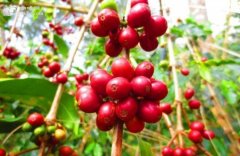
Coffee producing area in Mexico
Coffee from the world's fourth largest coffee producer, slippery and fragrant, Mexico, the fourth largest coffee producer in the world, produces about 5 million bags of coffee a year.
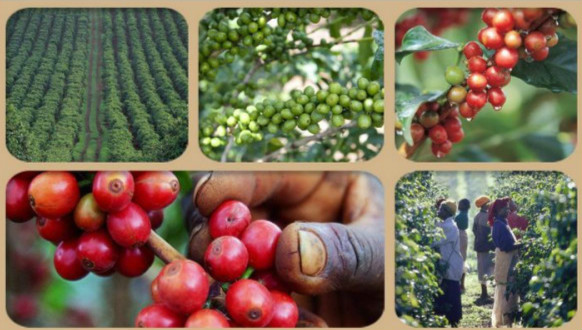
World famous Coffee Origin Honduras: the fourth largest Coffee exporter in the World
Honduras: special Highland Coffee Honduras is located in the north of Central America, the Caribbean Sea to the north, the Gulf of Fonseca in the Pacific Ocean to the south, Nicaragua and El Salvador to the east and south, and Guatemala to the west, mostly mountains and plateaus. It has a tropical climate, mild temperature and abundant rainfall, so it is an ideal place for coffee growth. Flavor and taste characteristics: good flavor, rich and mellow
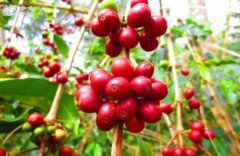
Coffee knowledge Coffee Origin Mexico
Coffee from the world's fourth largest coffee producer, slippery and fragrant, Mexico, the fourth largest coffee producer in the world, produces about 5 million bags of coffee a year. Most of its coffee is produced by nearly 100000 small farmers, and large estates that once manipulated the coffee industry are rare. The yield of Mexican coffee is about 630 kg per hectare. Later, the Mexican Coffee Association (Instituto Mexicano)

Boutique Coffee Coffee from Mexico
Coffee from the world's fourth largest coffee producer, slippery and fragrant, Mexico, the fourth largest coffee producer in the world, produces about 5 million bags of coffee a year. Most of its coffee is produced by nearly 100000 small farmers, and large estates that once manipulated the coffee industry are rare. The yield of Mexican coffee is about 630 kg per hectare. Later, the Mexican Coffee Association (Instituto Mexicano)
Coffee beans America and Mexico
Coffee from the world's fourth largest coffee producer, slippery and fragrant, Mexico, the fourth largest coffee producer in the world, produces about 5 million bags of coffee a year. Most of its coffee is produced by nearly 100000 small farmers, and large estates that once manipulated the coffee industry are rare. The yield of Mexican coffee is about 630 kg per hectare. Later, the Mexican Coffee Association (Instituto Mexicano)
Coffee producing area-Mexico
Coffee from the world's fourth largest coffee producer, slippery and fragrant, Mexico, the fourth largest coffee producer in the world, produces about 5 million bags of coffee a year. Most of its coffee is produced by nearly 100000 small farmers, and large estates that once manipulated the coffee industry are rare. The yield of Mexican coffee is about 630 kg per hectare. Later, the Mexican Coffee Association (Instituto Mexicano)
Coffee producing area Coffee introduction Mexican Coffee
Coffee from the world's fourth largest coffee producer, slippery and fragrant, Mexico, the fourth largest coffee producer in the world, produces about 5 million bags of coffee a year. Most of its coffee is produced by nearly 100000 small farmers, and large estates that once manipulated the coffee industry are rare. The yield of Mexican coffee is about 630 kg per hectare. Later, the Mexican Coffee Association (InstitutoMexicano de)
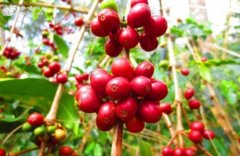
Boutique coffee beans knowledge coffee origin Mexico
Coffee from the world's fourth largest coffee producer, slippery and fragrant, Mexico, the fourth largest coffee producer in the world, produces about 5 million bags of coffee a year. Most of its coffee is produced by nearly 100000 small farmers, and large estates that once manipulated the coffee industry are rare. The yield of Mexican coffee is about 630 kg per hectare. Later, the Mexican Coffee Association (Instituto Mexicano)